
Exploring Color Theory in Painting: A Guide for Beginners

Color is a fundamental element of painting, influencing perception, mood, and storytelling. Whether working in digital or traditional mediums, understanding color theory helps artists create more balanced and engaging compositions. At Lucid HQ, the best creative agency in Bangalore, we emphasize the importance of color relationships in best concept art and graphic design solutions to enhance the visual appeal of every piece.
The Basics of Color Theory
At the core of color theory is the color wheel, a visual representation of how colors interact. It consists of:
Primary Colors: Red, blue, and yellow—these cannot be created by mixing other colors.
Secondary Colors: Green, orange, and violet—formed by mixing two primary colors.
Tertiary Colors: Made by mixing a primary and a secondary color, such as red-orange or blue-green.
Understanding color temperature is also crucial. Warm colors (red, orange, yellow) convey energy and passion, while cool colors (blue, green, purple) create a sense of calm and distance.
Exploring Color Schemes in Painting
Artists use different color schemes to create harmony or contrast in their work:
Complementary: Uses two colors opposite each other on the wheel (e.g., blue and orange) for high contrast.
Analogous: Combines three neighboring colors (e.g., blue, blue-green, and green) for a harmonious effect.
Triadic: Uses three evenly spaced colors (e.g., red, yellow, and blue) for a vibrant and balanced composition.
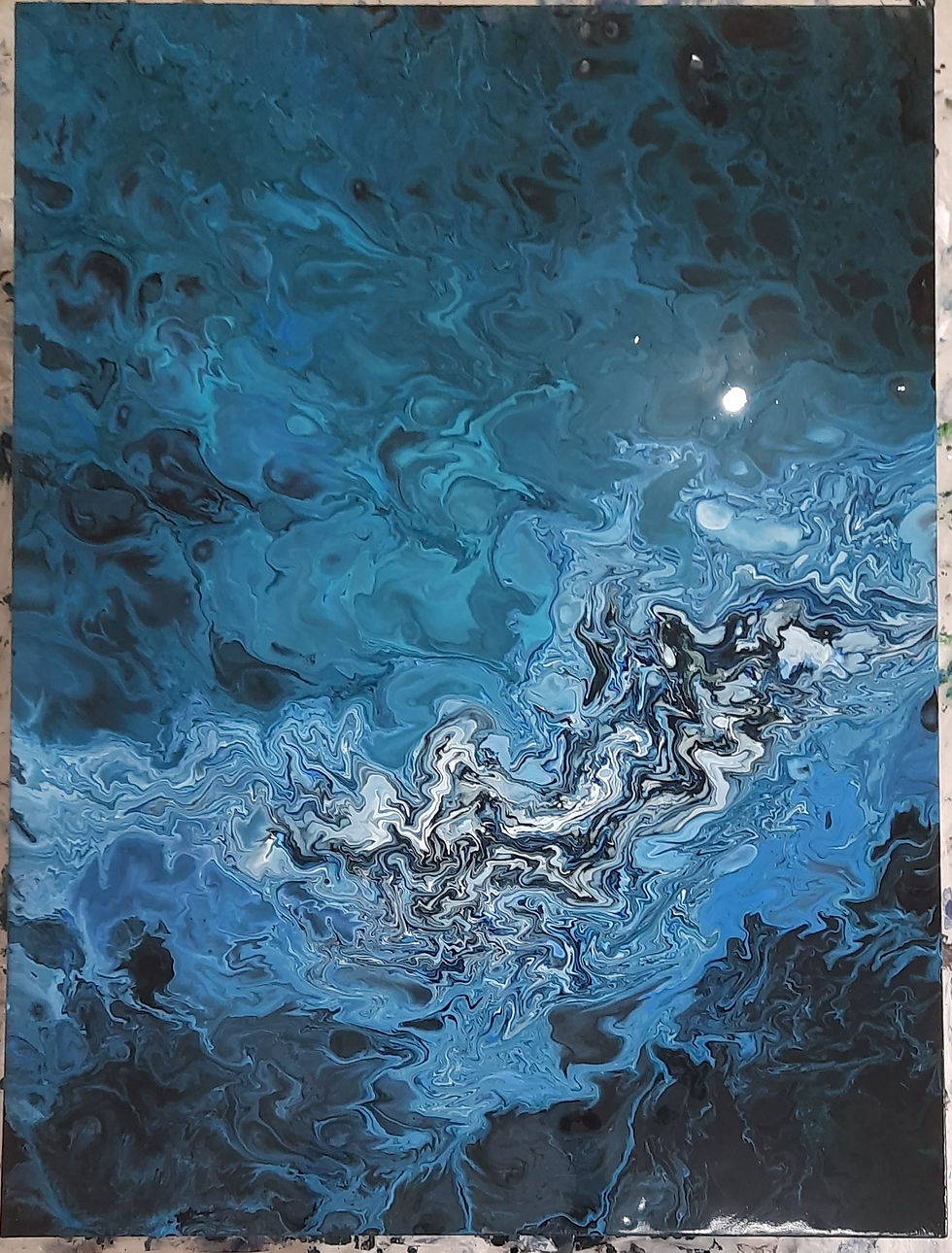
Monochromatic: Focuses on different shades and tints of a single color, enhancing depth and mood.
As a multidisciplinary creative agency in Bangalore, Lucid HQ applies these principles to create visually striking branding, concept art, and digital paintings.

Applying Color Theory in Traditional Painting
Traditional painting techniques heavily rely on color mixing, layering, and texture to bring compositions to life. Artists working with oil, acrylic, or watercolor must master:
Color blending: Achieving smooth transitions between hues by mixing directly on the palette or canvas.
Glazing: Applying thin layers of transparent paint to build depth and luminosity.
Impasto: Using thick paint applications to create texture and enhance light reflection.
Underpainting: Establishing tonal values before adding colors to maintain balance and structure.
Artists experimenting with traditional media can study classic works, practice mixing colors, and experiment with different techniques to improve their skills. At Lucid HQ, we encourage both emerging and professional artists to explore these methods to elevate their artistic expression.

Mastering Color for Stronger Artwork
Understanding color theory allows painters to control the mood and impact of their work. Whether creating a dynamic composition with bold complementary colors or a subtle monochromatic piece, the right color choices can make a significant difference.
As the best creative agency in Bangalore, Lucid HQ specializes in applying color theory across various mediums, from traditional paintings to best concept art and graphic design solutions. Whether you're a beginner or an experienced artist, mastering color theory is key to creating visually compelling artwork.


Comments